
The Nationalities of Curaçao: Discover One of the Caribbean’s Most Multicultural Islands
When exploring the nationalities of Curaçao, you’ll quickly discover that this Caribbean island is much more than a tropical paradise. Home to more than 150 nationalities and a population of over 158,000 residents, Curaçao has become one of the most multicultural destinations in the Caribbean, where people, languages, and traditions from around the world come together. According to the Central Bureau of Statistics (CBS Curaçao), this cultural diversity continues to shape the island’s identity and makes it one of its greatest strengths.
Whether you’re planning your first visit or looking to better understand the island’s rich heritage, staying at Kura Botanica Hotel in the heart of Otrobanda places you in one of the best locations to experience Curaçao’s multicultural spirit firsthand. From historic streets and local cafés to museums, art galleries, and international cuisine, you’ll be surrounded by the people and cultures that make the island so unique.
In this guide, you’ll discover who lives in Curaçao, how its multicultural society developed, which languages are spoken, and why this cultural diversity is one of the main reasons visitors fall in love with the island.
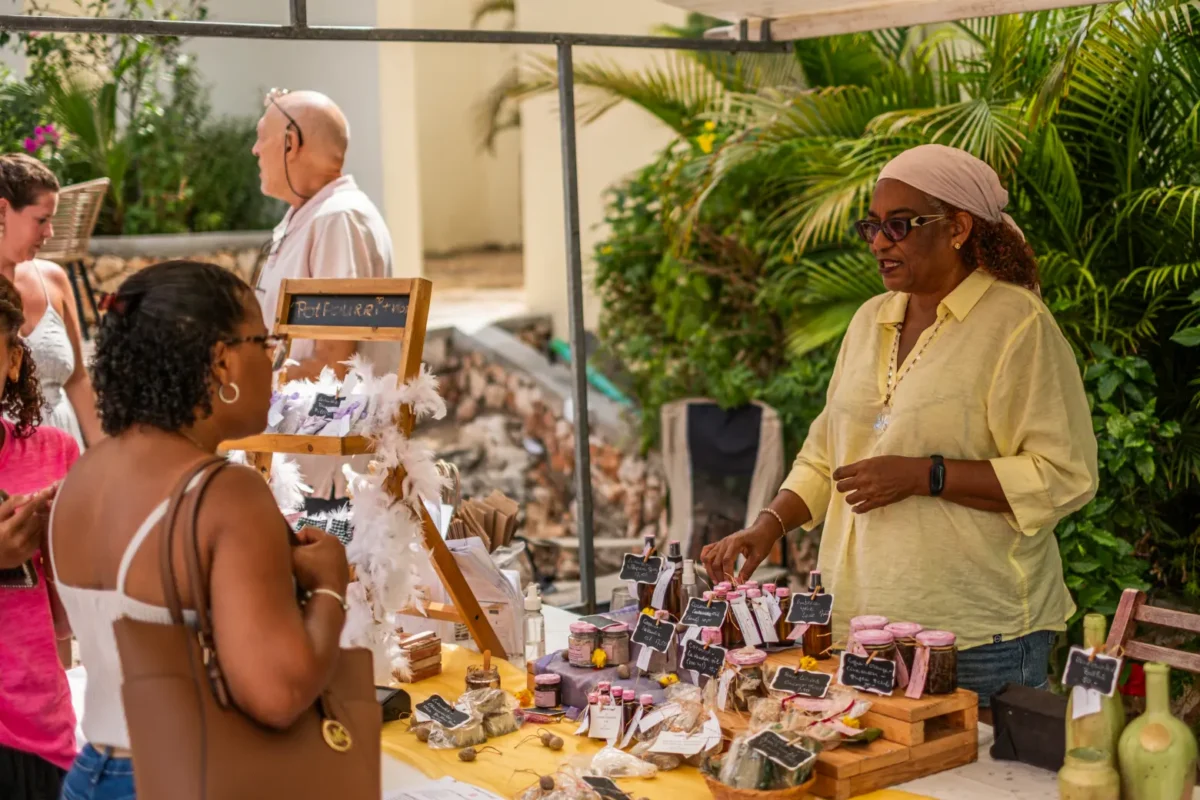
Why Is Curaçao So Multicultural?
Curaçao’s diversity is the result of centuries of migration, international trade, and cultural exchange.
Located just 65 kilometers (40 miles) from the coast of Venezuela, the island has long been an important crossroads between Europe, South America, North America, and the Caribbean. Throughout its history, Curaçao welcomed merchants, sailors, workers, entrepreneurs, and families from around the world.
After becoming part of the Dutch Caribbean in the 17th century, Willemstad developed into one of the region’s most important trading ports. Over time, communities from Europe, Africa, Latin America, Asia, and neighboring Caribbean islands settled here, each contributing to the island’s identity.
Today, this rich heritage is reflected in everyday life—from the languages spoken on the street to the food, architecture, and welcoming atmosphere that visitors quickly notice.
How Many Nationalities Live in Curaçao?
For such a small island, Curaçao is remarkably diverse.
According to the Central Bureau of Statistics (CBS Curaçao), residents represent more than 150 different nationalities, making Curaçao one of the most multicultural societies in the Caribbean.
Unlike destinations where tourism and local life remain separate, Curaçao is a place where people from different backgrounds live, work, study, and build communities together.
This international environment is one of the reasons why so many travelers immediately feel comfortable on the island.
You’ll hear different languages in cafés, discover restaurants serving cuisines from around the world, and meet locals whose family histories span several continents.

Who Lives in Curaçao Today?
Although more than 150 nationalities are represented on the island, several communities have had a particularly significant influence on Curaçao’s development.
Afro-Caribbean Heritage
African heritage forms the foundation of much of Curaçao’s culture. Its influence can be seen in local traditions, music, cuisine, language, and everyday life.
Dutch Community
As a constituent country within the Kingdom of the Netherlands, Curaçao maintains strong cultural and economic ties with the Netherlands. Many Dutch citizens relocate to the island for work, retirement, or business, contributing to its international character.
Latin American Communities
Thanks to its close proximity to South America, Curaçao has welcomed residents from countries such as Venezuela, Colombia, and the Dominican Republic for generations.
Spanish is widely spoken across the island, making Curaçao an easy destination for travelers from both Europe and Latin America.
Portuguese, Lebanese and Asian Communities
Portuguese families—particularly those with roots in Madeira—have played an important role in Curaçao’s commercial development for decades. Lebanese, Chinese, Indian, and other international communities have also contributed to the island’s economy, cuisine, and entrepreneurial spirit.
Rather than existing as separate communities, these cultures have blended naturally over generations, helping create the welcoming atmosphere Curaçao is known for today.
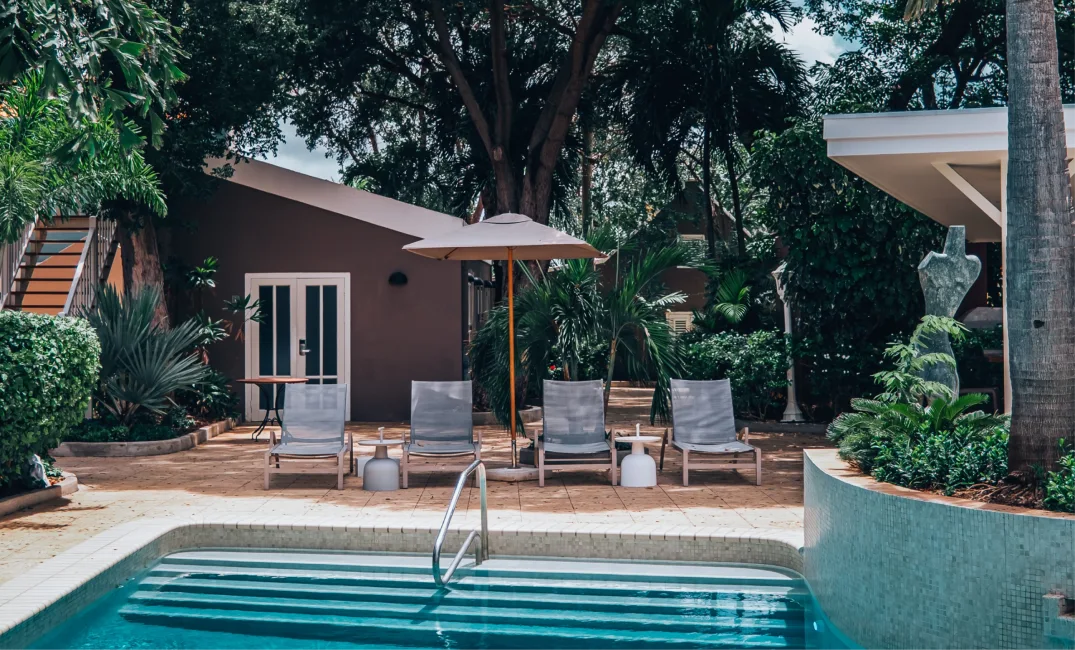
Experience the essence of Curaçao at Kura Botanica
Spread over an eight-block area, this property offers a unique luxury experience in a botanical and tranquil retreat, offering complete privacy and intimacy.
Languages Spoken in Curaçao
One of the clearest examples of Curaçao’s multicultural identity is its multilingual population.
The island has four widely spoken languages, and many residents switch between them effortlessly throughout the day.
Papiamentu
Papiamentu is the heart of Curaçao’s cultural identity. Spoken by the majority of locals, it developed through centuries of interaction between Portuguese, Spanish, Dutch, African languages, and indigenous influences.
Learning a few simple phrases is a great way to connect with local people during your stay.
Dutch
Dutch is used in government, education, and official institutions. As part of the Kingdom of the Netherlands, it remains one of Curaçao’s official languages.
English
English is spoken almost everywhere, especially in hotels, restaurants, shops, and tourist attractions. Visitors rarely encounter language barriers.
Spanish
Because of Curaçao’s close relationship with neighboring South American countries, Spanish is also widely spoken across the island.
This multilingual environment makes Curaçao one of the easiest Caribbean destinations to explore independently.
Why This Diversity Makes Curaçao Special for Visitors
For travelers, Curaçao’s diversity is much more than an interesting statistic—it shapes the entire visitor experience.
It means you’ll discover a destination where different cultures have influenced everything from architecture and cuisine to art, traditions, and hospitality.
During a single day, you might enjoy a Dutch-inspired breakfast, hear conversations in four different languages, admire UNESCO-listed colonial buildings, and end the evening with Caribbean flavors in a local restaurant.
This blend of cultures creates an atmosphere that feels welcoming, authentic, and unlike anywhere else in the Caribbean.
It’s also one of the reasons many visitors return to Curaçao year after year.
Experience Curaçao’s Cultural Diversity from Kura Botanica
Located in the heart of Kura Hulanda Village in Otrobanda, Kura Botanica Hotel places you in one of the island’s most historic and culturally rich neighborhoods.
From the hotel, you can easily explore the colorful streets of Willemstad, visit local museums, discover Caribbean and international restaurants, and experience the vibrant atmosphere that makes Curaçao so unique.
Whether you’re visiting for a relaxing escape or to immerse yourself in the island’s history and culture, Kura Botanica offers the perfect base to discover the many faces of Curaçao.

Frequently Asked Questions
People born in Curaçao are generally referred to as Curaçaoans. However, the island is home to more than 150 nationalities, making it one of the most multicultural places in the Caribbean.
According to the Central Bureau of Statistics (CBS Curaçao), more than 150 nationalities are represented among the island’s residents.
The most commonly spoken language is Papiamentu, while Dutch, English, and Spanish are also widely spoken throughout the island.
Curaçao is a constituent country within the Kingdom of the Netherlands. It governs its own internal affairs while sharing certain responsibilities, such as defense and foreign relations, within the Kingdom.
Its strategic location in the southern Caribbean made Curaçao an important trading hub for centuries, attracting people from Europe, Africa, Latin America, North America, and neighboring Caribbean islands. This history has shaped the multicultural society visitors experience today.
Experience the essence of Curaçao at Kura Botanica
Spread over an eight-block area, this property offers a unique luxury experience in a botanical and tranquil retreat, offering complete privacy and intimacy.